>
>
Granola Went from $250 Million to $1.5 Billion in Under a Year. It Started With a Simple Observation About Meetings.
Granola Went from $250 Million to $1.5 Billion in Under a Year. It Started With a Simple Observation About Meetings.
The London-based AI note-taking app just raised $125 million as it pivots from personal productivity tool to enterprise platform.
Jayanth Kumar
Most people don't struggle during meetings. They struggle after them — when decisions are half-remembered, action items live in three different places, and the context that felt obvious on the call has already started to fade.
That observation is what Granola was built on. And in the space of a single year, it has taken the startup from a $250 million valuation to $1.5 billion.
The London-based AI note-taking company has closed a $125 million Series C led by Index Ventures, with participation from Kleiner Perkins. It is the latest and fastest step in a fundraising arc that has moved from a $4.25 million seed round in 2023 to unicorn status in less than two years.
The founders and the problem they kept running into
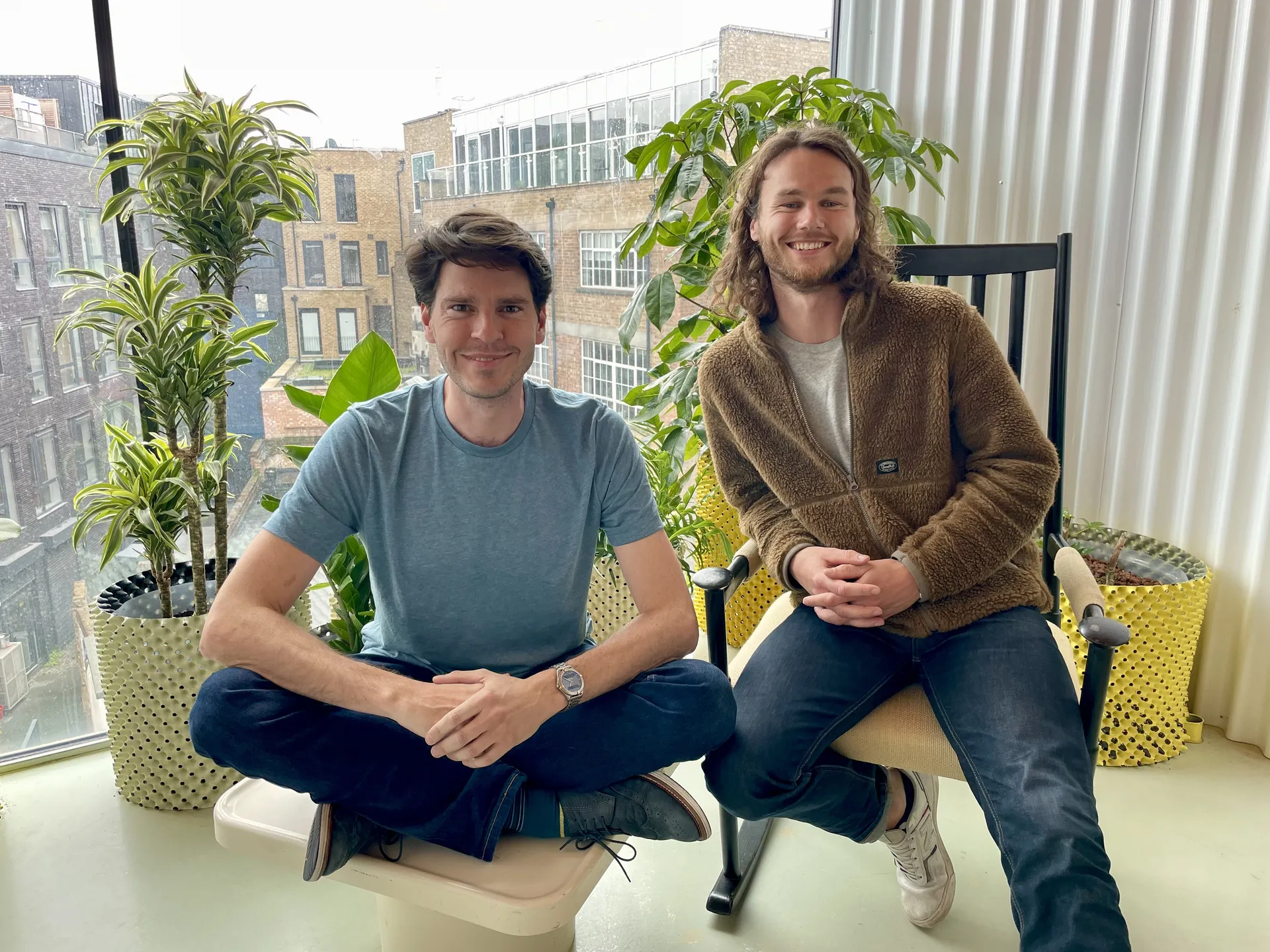
Chris Pedregal and Sam Stephenson founded Granola in 2023 after meeting through a small community where people compared notes literally on the tools they used to survive modern work. The conversation they kept having was the same one millions of people have after every meeting: what actually got decided, who owns what, and where did all of that context go?
Pedregal had already been through the full founder loop once before. He built Socratic, an education app that Google acquired. Stephenson brought a design-first perspective. Together, they decided to build something they described as a notepad for the AI era not a smarter recorder, but a tool designed around what happens in the minutes and hours after a call ends.
How the product actually works
Granola quietly transcribes a conversation as it happens, running locally on the user's computer rather than joining the call as a visible bot. When the meeting ends, it combines the transcript with anything the user jotted down or nothing, if they didn't bother and generates a structured set of notes and action items automatically.
That local-first approach was a deliberate product decision. By running on the device rather than inserting itself into the meeting as an AI participant, Granola reduced the friction of adoption, particularly inside teams where bot fatigue is real and privacy concerns are high. It was a small architectural choice with an outsized effect on how easily the tool spread.
A fundraising arc that kept accelerating
The traction showed up early in the numbers. Granola raised a $4.25 million seed round in May 2023, led by Lightspeed Venture Partners with participation from betaworks and Firstminute Capital. Eighteen months later, a $20 million Series A followed, led by Spark Capital and joined by investors Nat Friedman and Daniel Gross.
By May 2025, the company closed a $43 million Series B at a $250 million valuation, led by Friedman and Gross's firm NFDG. At the time, Granola reported 10% weekly growth in active users since launch. The $125 million Series C announced this week puts the valuation at $1.5 billion a six-fold increase in under twelve months.
The next chapter: from personal tool to enterprise platform
The latest raise marks a shift in what Granola is building toward. Having established itself as a tool individual knowledge workers adopt by choice, the company is now moving deliberately into enterprise territory.
Granola is rolling out team Spaces, organizational controls, and APIs built to let companies weave meeting context into broader AI workflows turning what was once a personal productivity layer into shared organizational infrastructure. The bet is that the same problem Pedregal and Stephenson noticed in their own working lives exists at every level of every company, and that the value compounds significantly when meeting context becomes a team asset rather than a personal one.
Why the speed matters
Going from $250 million to $1.5 billion in a year is notable in any market. In the crowded AI productivity space, where dozens of tools compete for the same calendar integrations and the same enterprise budgets, it signals something more specific: that Granola found a wedge that actually stuck.
It started with a deceptively simple insight that the meeting itself isn't the hard part. What comes after is. And sometimes, building around the problem everyone else ignores is exactly the right place to start
About
Explore Topics