>
>
Tim Cook Steps Down as Apple CEO After 15 Years, Having Built the First $3 Trillion Company in History
Tim Cook Steps Down as Apple CEO After 15 Years, Having Built the First $3 Trillion Company in History
Tim Cook took over from a legend, was doubted by almost everyone, and spent fifteen years quietly building the most valuable company in human history. As he steps down, handing the reins to hardware chief John Ternus, the question isn't what he achieved — it's who could possibly follow him.
Jayanth Kumar
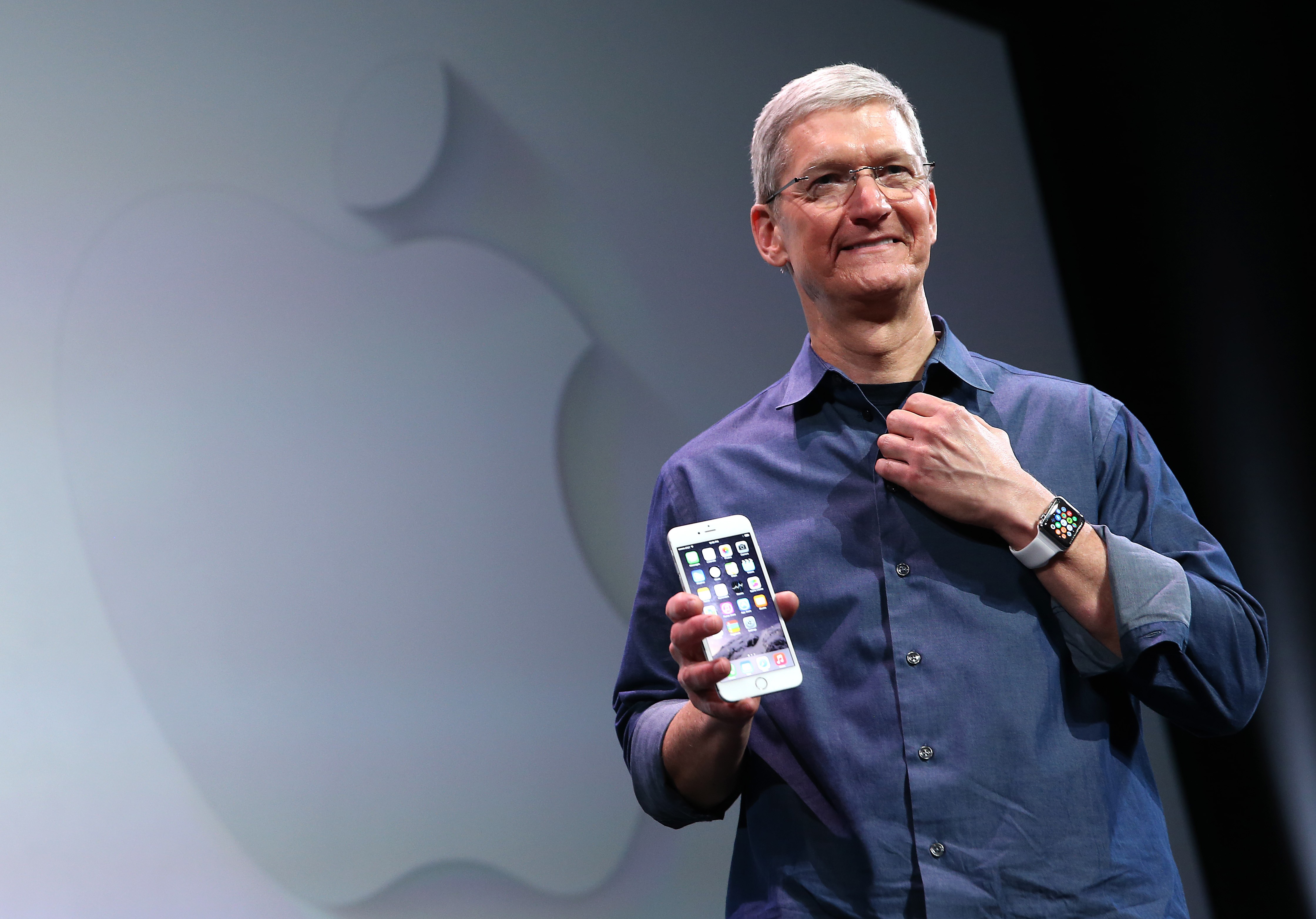
When Tim Cook took over from Steve Jobs in August 2011, the question wasn't whether Apple could survive. It was whether it could continue to matter. Jobs had been Apple its taste, its obsession, its reality distortion field. Cook was an operations man, a supply chain expert from Alabama who had spent his career making sure things arrived on time and at cost. The doubters were loud, and they were credible.
What followed was one of the most remarkable runs in corporate history.
Cook announced in April 2026 that he is stepping down as Apple's CEO on September 1, handing the role to John Ternus, Apple's head of hardware engineering the man behind the M-series silicon chips that quietly redefined the personal computer. Cook, 65, will remain with the company as executive chairman, mirroring transitions made by Jeff Bezos at Amazon and Reed Hastings at Netflix.
The numbers are almost incomprehensible in their scale. When Cook took over, Apple was valued at just under $350 billion. Under his watch it passed $1 trillion in 2018, $2 trillion in 2020, $3 trillion in 2022, and $4 trillion in 2025 becoming, at each milestone, the first company in history to reach that figure. The company reported net income of $112 billion for fiscal year 2025 alone, eight times what it earned in 2010. Apple's market capitalisation increased roughly tenfold under his leadership.
But the numbers only tell part of the story. Cook launched the Apple Watch now the world's best-selling watch of any kind AirPods, which created an entirely new product category and a business worth tens of billions on its own, and Apple Silicon, a shift to custom-designed chips that the entire PC industry is still coming to terms with. He built Apple's services division the App Store, Apple Music, iCloud, Apple TV+, Apple Pay — into a recurring revenue engine that now rivals the GDP of small nations. He was also, in 2014, the first CEO of a Fortune 500 company to publicly come out as gay, a moment widely recognised as significant far beyond the business world.
Cook's decision to leave wasn't made in haste. He told FOX Business he assessed three things before making the call: the company's current performance ("remarkable"), the strength of its product roadmap ("incredible"), and whether his successor was ready. "John is ready," he said. "All three of those things intersected, and it felt like the right time."
In a letter to the Apple community one of the more personal documents to emerge from Cupertino in years Cook described how he had started every morning of his fifteen-year tenure by reading emails from Apple users: the person who captured the perfect photo at a mountain summit, the mother whose life was saved by her Apple Watch. These weren't data points. They were, for Cook, the actual point.
Cook's Apple was different from Jobs' Apple less about the electric shock of the entirely new, more about the compounding force of exceptional execution and relentless refinement. Critics called it uncreative. The market called it $4 trillion. Both, in their own way, are right.
What Ternus inherits is an extraordinary position and an extraordinarily difficult one. Apple is larger, more profitable, and more globally complex than any company he has ever run. The AI era is reshaping the technology landscape in ways that will demand exactly the kind of bold product vision that Jobs provided and Cook was never fully credited with having. Whether Ternus can supply it while preserving the operational precision Cook built is the most consequential leadership question in the technology industry today.
About

Explore Topics