a16z's Ben Horowitz on How to Overcome the Most 'Unnatural' Parts of Founder Life
Ben Horowitz built Loudcloud through the dot-com crash, took it public, pivoted it into Opsware, sold it to HP for $1.6 billion, and then spent the next decade writing and talking about what leading a company actually requires. His central argument: the hardest parts of being a founder aren't strategic they're human. And the courage to do the unnatural thing is a skill that can be deliberately developed.
Jayanth Kumar
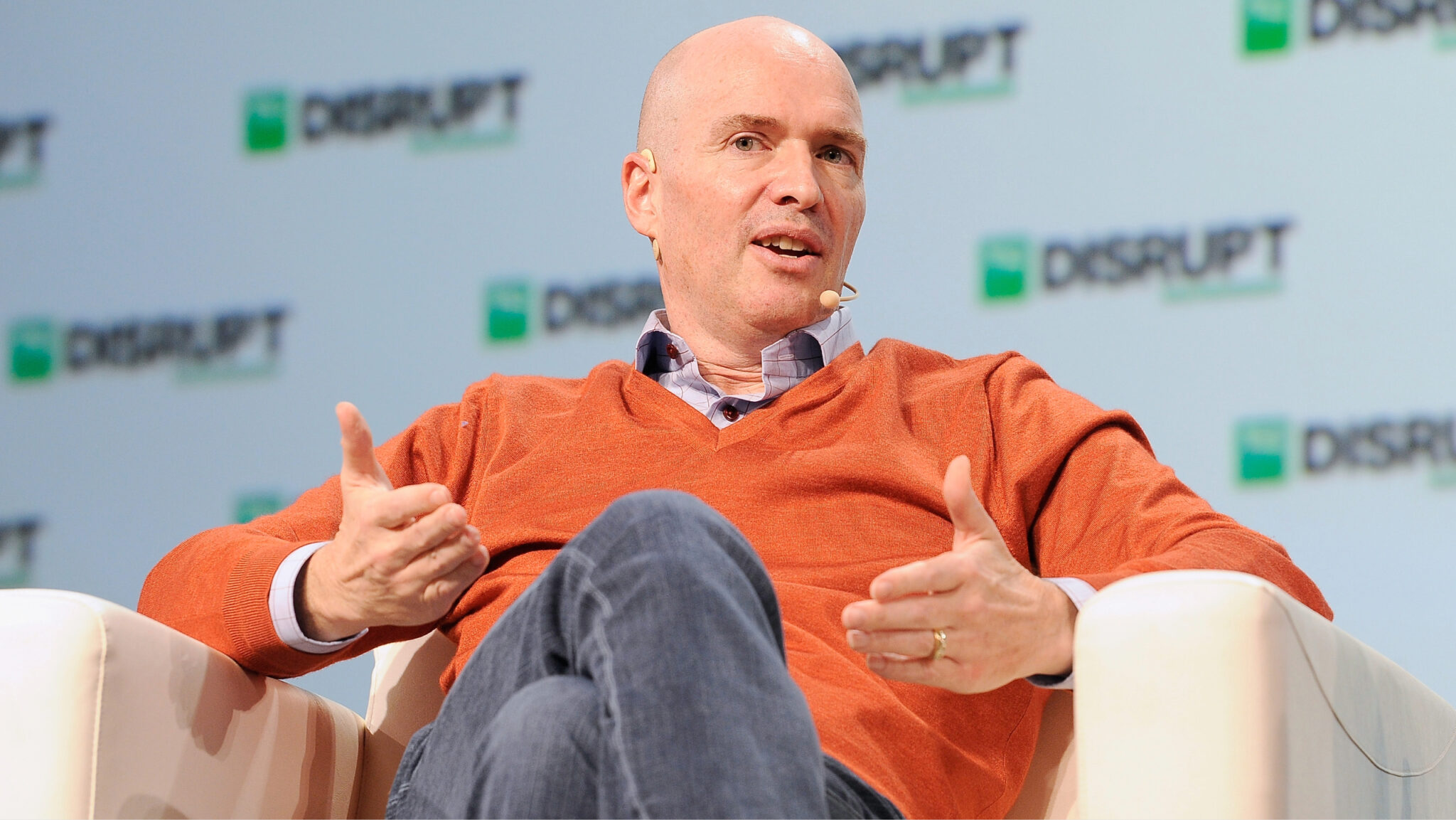
Ben Horowitz is one of the few people in Silicon Valley who has made a serious contribution to how people think about leadership, rather than just how they think about markets. His books, essays, and conversations have reached a generation of founders not because they offer frameworks or formulas, but because they describe the experience of leading under pressure in language that is honest about how difficult it actually is.
The core observation is deceptively simple: the hardest parts of running a company aren't the parts that appear in business school curricula. They aren't the market analysis, the go-to-market strategy, or the competitive positioning. They are the human decisions the ones that feel fundamentally wrong to make, even when they are clearly right.
Horowitz's own experience is the foundation of this argument. He co-founded Loudcloud, a cloud computing company, in 1999 at exactly the wrong moment. The dot-com crash that followed nearly destroyed the company. He took Loudcloud public in 2001, raising $162 million in an IPO during a period when technology stocks were collapsing and investors had no appetite for anything resembling speculative technology. He had to make layoffs of hundreds of people in the aftermath, a process he has described as one of the most difficult experiences of his professional life.
The company survived by pivoting into software renaming itself Opsware and building a data-centre automation platform from the wreckage of the original cloud infrastructure business. In 2007, Hewlett-Packard acquired Opsware for $1.6 billion.
What Horowitz took from that experience was a set of convictions about leadership that he has spent years articulating for anyone trying to build something. Several of the most important:
On telling the truth: there is an instinct among leaders to manage difficult information carefully to soften bad news, to delay hard conversations, to protect people from realities that might demoralise them. This instinct, Horowitz argues, is usually counterproductive. People in organisations can handle difficulty better than their leaders assume. What they cannot handle well is uncertainty and the sense that they are not being told what is actually happening. Radical transparency, uncomfortable as it feels, produces more trust and more resilience than managed communication.
On firing and demoting: the most unnatural decision a leader regularly faces is removing someone from a role whether through dismissal or demotion who has been a loyal, committed, hard-working member of the team. The natural instinct is to avoid the pain of the conversation, to find workarounds, to give one more chance. Horowitz's argument is that this instinct, followed consistently, destroys organisational performance and ultimately does more damage to the person being protected than the honest conversation would have. Doing it with respect and generosity is possible. Avoiding it indefinitely is not.
On loneliness: CEOs and founders are structurally isolated in ways that are hard to anticipate and harder to explain to people who haven't experienced them. The people who report to you need you to project stability. Your investors need you to project confidence. Your board has its own interests and perspectives. The person who can hear your genuine uncertainty and uncertainty without managing their reaction to it often doesn't exist inside the organisation. Horowitz has been explicit that the loneliness of the CEO role is not a personal failing it is structural, and it requires deliberate management.
The common thread across all of these is the same insight: the instincts that make people good human beings in most contexts kindness, conflict avoidance, loyalty, desire to protect will sometimes make them bad leaders. Not always. Not even usually. But at the critical moments, when the right decision is the difficult one, those instincts will pull in the wrong direction with considerable force.
What Horowitz has spent his post-Opsware career arguing is that recognising this pattern, in advance, makes it possible to act against it when the moment comes. The courage to do the unnatural thing is not something you either have or don't have. It is a capacity that develops through practice, reflection, and the gradual accumulation of evidence that you can survive the discomfort of doing what the situation requires. That, more than vision or strategy, may be the most honest description of what separates leaders who sustain companies through genuinely hard moments from those who don't.
About

Explore Topics