>
>
Harvey Just Raised $200 Million at an $11 Billion Valuation. It Started With a Cold Email.
Harvey Just Raised $200 Million at an $11 Billion Valuation. It Started With a Cold Email.
The legal AI startup that began as a first-year associate's experiment is now the infrastructure powering over 100,000 lawyers worldwide.
Jayanth Kumar
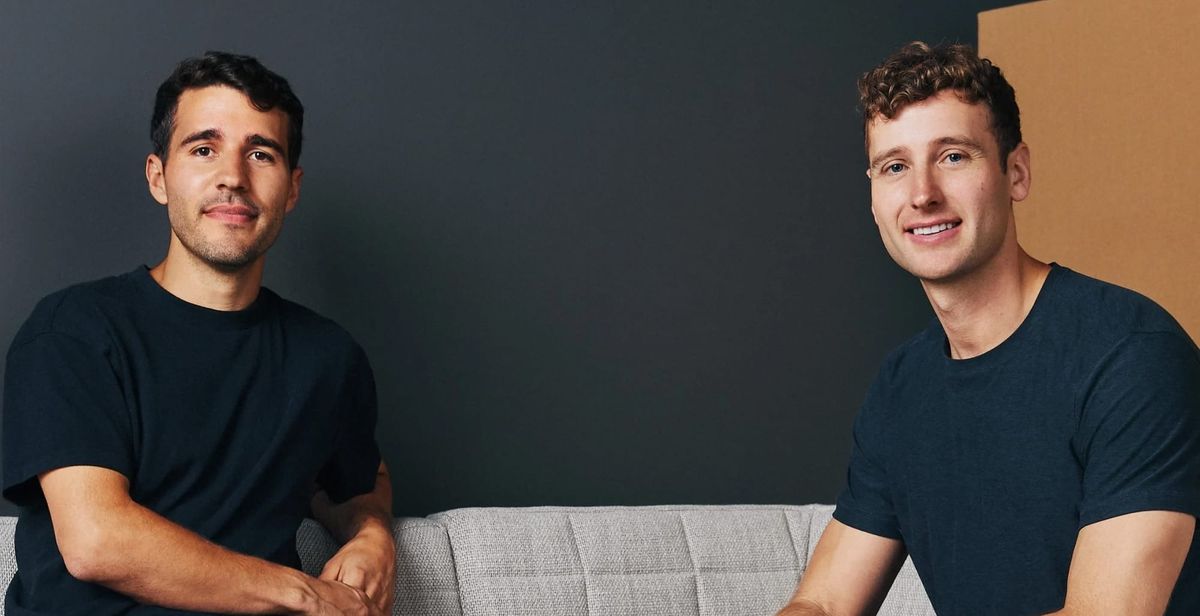
Harvey has confirmed what weeks of speculation suggested: the San Francisco-based legal AI startup has raised $200 million at an $11 billion valuation. The round was co-led by returning investors GIC and Sequoia, with continued backing from a16z, Kleiner Perkins, and Elad Gil.
It's a striking number for a company that's only three years old — and one that started not with a polished pitch deck, but with a junior lawyer quietly wondering if there was a better way to do his job.
The infrastructure play investors are betting on
Harvey wasn't built to be a productivity tool layered on top of existing legal software. From early on, co-founders Winston Weinberg and Gabe Pereyra positioned it as something more foundational: a new kind of legal infrastructure designed to run the work itself, not just assist with it.
That vision is now taking shape at scale. More than 25,000 custom AI agents operate on Harvey's platform today, handling complex, multi-step workflows like contract drafting and document review. Sequoia partner Pat Grady has noted that over 100,000 lawyers now use the platform for their most critical work. Harvey also counts the majority of the AmLaw 100 among its partners, alongside more than 500 in-house legal teams and 50 asset management firms spanning 60 countries.
The fresh $200 million will go toward expanding those agent capabilities and growing the legal engineering teams that help firms build and deploy them.
Where it actually began
Behind the valuation headlines is a much quieter origin story.
Weinberg was 27 and a first-year associate at a major law firm when he began experimenting with early large language models not as a founder, but as someone trying to make slow, repetitive work more manageable. He and Pereyra, an engineer, kept testing use cases until the evidence was hard to ignore: there was a real product here.
In 2022, without a warm introduction or a venture network to lean on, the two sent a cold email to Sam Altman and Jason Kwon. It worked. That single outreach led to a call, and then an early check from the OpenAI Startup Fund the first institutional vote of confidence that set everything else in motion.
A structural shift, not a productivity upgrade
Weinberg is careful about how he frames what Harvey is doing. This isn't, in his telling, a story about AI making lawyers slightly faster. It's a story about the underlying system changing entirely.
"AI isn't just assisting lawyers," he said in Harvey's fundraising announcement. "It's becoming the system through which legal work gets done."
That's a bold claim in one of the most change-resistant industries in the world. But with $200 million in fresh capital, a six-continent footprint, and more than a hundred thousand lawyers already on the platform, Harvey is building the kind of evidence that makes the claim harder to dismiss.
The cold email, it turns out, was just the opening move.
About
Explore Topics