>
>
Two College Founders Wanted Better Parties. Now They're Building the Platform for Real-World Connection.
Two College Founders Wanted Better Parties. Now They're Building the Platform for Real-World Connection.
Posh just raised $37 million to turn the IRL creator economy into the next major social platform and the journey started with a bad experience with a promoter at NYU.
Jayanth Kumar

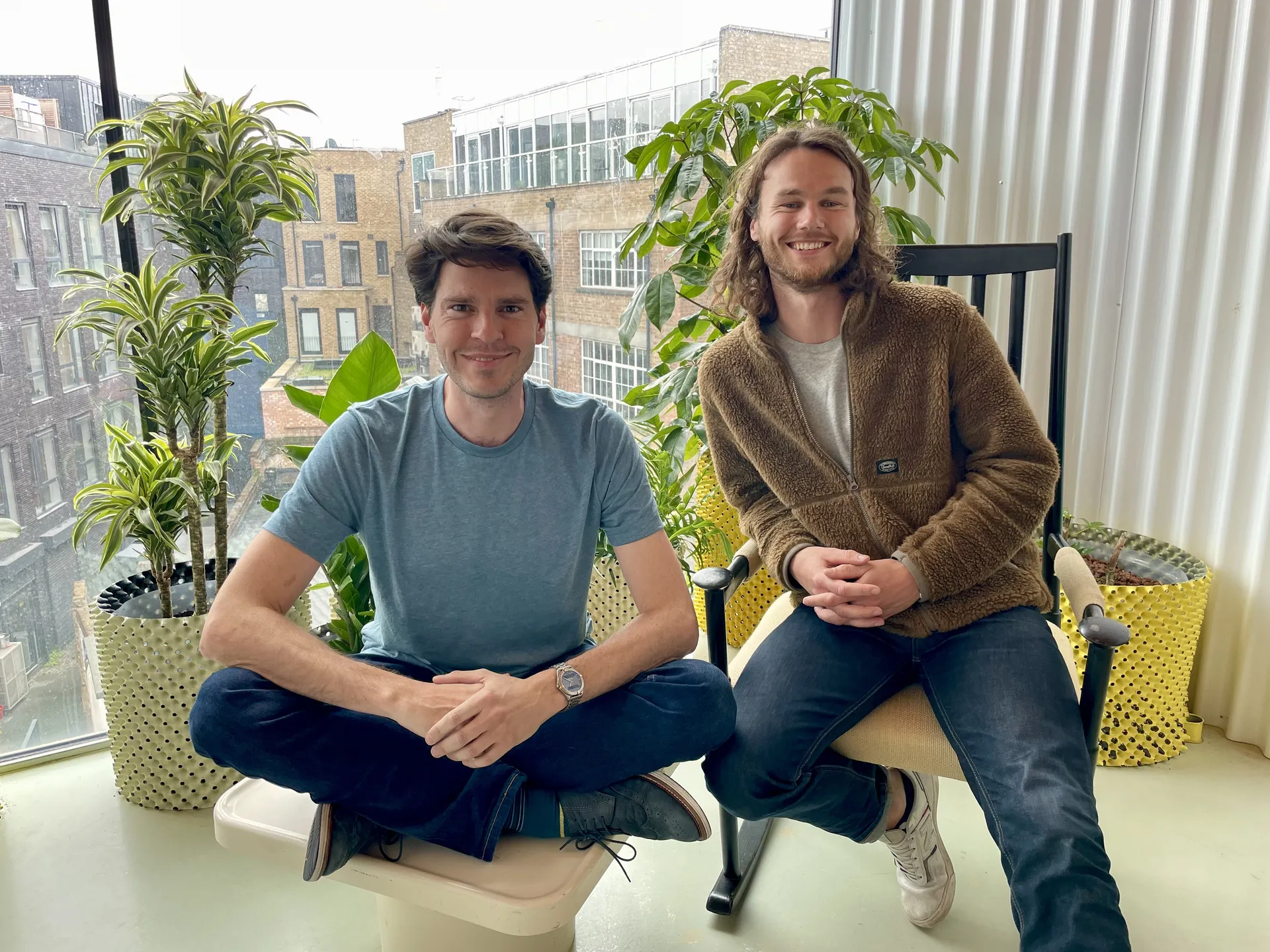
Every big platform starts with someone close enough to a problem to feel it personally. For Avante Price and Eli Taylor-Lemire, that problem was throwing events in college and running straight into the same friction that frustrates independent organizers everywhere: bad tools, unreliable promoters, and workflows that seemed designed to make the whole thing harder than it needed to be.
In 2019, the two NYU students decided to stop complaining and start building. What began as a tool to run their own events has since processed $350 million in ticket sales, attracted nearly 8 million users, and just closed a $37 million Series B led by FirstMark Capital.
Posh, it turns out, was never really about parties. It was always about who brings people together — and what happens when you actually build for them.
Starting with the organizer
Most event platforms are built around the transaction: buy a ticket, show up, leave. Posh was designed around a different center of gravity — the organizer.
Price has described the early vision as something like "Shopify for events": a product suite that handled the unglamorous operational layer so that the people running events could focus on what actually matters. The business model reflects that simplicity too, with Posh typically taking around 10% on paid tickets plus $0.99 per ticket.
The numbers suggest the approach has found real traction. Since launch, Posh has sold 25 million tickets and generated an estimated $40 million in cumulative revenue. In 2024 alone, the platform generated roughly $10 million in revenue on more than $83 million in ticket sales the same year it raised its $22 million Series A. Top organizers on the platform reportedly generate more than $10 million each. The company now counts close to 50,000 organizers and nearly 8 million users.
The bigger idea underneath the ticketing layer
But if Posh's early story was about building better infrastructure for event organizers, its next chapter is about something more ambitious: becoming the discovery layer for real-world social life.
The founders' argument is straightforward but pointed. In a world where content discovery has been transformed by algorithmic feeds, experience discovery is still stuck in the same fragmented patterns it has always relied on group chats, forwarded links, word of mouth. Finding out what's happening tonight, in your city, among people you'd actually want to meet, is still harder than it should be.
Posh wants to fix that. The product roadmap is moving beyond payments and logistics toward identity, community, and discovery building toward a TikTok-style feed for local experiences, where the right people find the right room at the right time without having to chase down five different links to do it.
The framing the founders use is telling: they don't call their top users event organizers. They call them connectors people who generate a kind of social value that doesn't fit neatly into traditional creator economy categories, but is just as real and just as worth building for.
A platform that's already outgrown its origins
Posh has also expanded well beyond its campus-party roots. The platform now powers events including Palm Tree Festival and We Belong Here, and has supported brand activations with Lamborghini, Adidas, the NBA, HBO, Celsius, and Complex. The hiring picture reinforces the ambition — the team now includes people from Meta, Reddit, Amazon, Hinge, Spotify, and Canva, signaling that the founders see the problem as far larger than nightlife software.
The $37 million Series B will go toward scaling that vision: better discovery, broader distribution, and tools that make it easier for a new generation of connectors to build communities of their own.
The through line
There's a clean continuity in where Price and Taylor-Lemire have landed. They started as students asking the same question millions of people ask every Friday night: what's happening tonight, and how do I get there?
They're still designing for that person. Just at a very different scale and with a much larger bet on the table.
If they're right, the payoff isn't just a more efficient ticketing stack. It's a new kind of social platform built around the premise that real-world connection is still the most valuable kind and that the people who make it happen deserve better tools than a group chat and a prayer.
About

Explore Topics