Why the Next Big Founder Could Be Younger Than You Think
The dominant myth of entrepreneurship says that experience is the prerequisite — that you need scars before you can build something lasting. Spotify's Daniel Ek, and a growing body of evidence, argues the opposite. The best time to attempt something audacious may be precisely when you're too young to fully understand why it probably won't work.
Jayanth Kumar
The founder archetype is well established. Mid-thirties. One or two failed ventures providing the requisite scar tissue. Hard-won industry knowledge that turns naive optimism into something more durable. A sense, earned through failure, of what actually matters.
It is a compelling story. It is also, increasingly, a story that the evidence doesn't fully support.
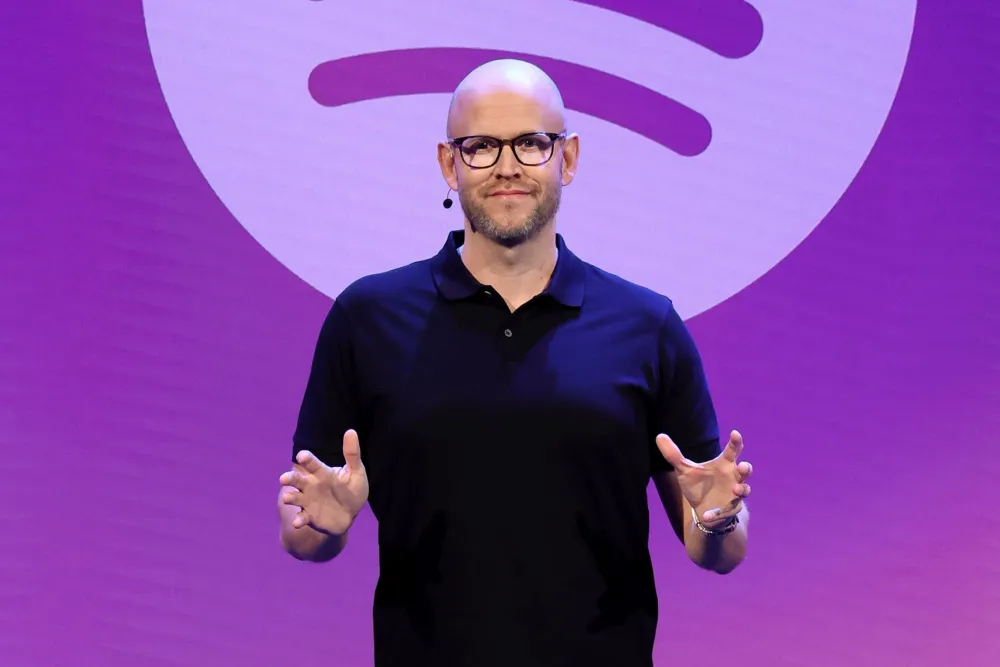
Spotify's Daniel Ek has spent years making the case that youth is not a bug in the founder profile — it's a feature. His argument isn't romantic. It's structural. Young founders operate before the calcification of conventional wisdom sets in. They haven't yet internalised which rules are inviolable and which are just habits of incumbency. They don't know what "can't be done" means in their specific domain, which means they attempt things that more experienced people have already ruled out.
There is a version of this that ends in naive failure the thing you couldn't do turned out to actually be the thing that couldn't be done, and the experienced operators were right all along. But there is another version, repeated often enough in the history of technology, media, and commerce to be more than anecdote: the young founder who built the thing that wasn't supposed to work precisely because they were unencumbered enough to try.
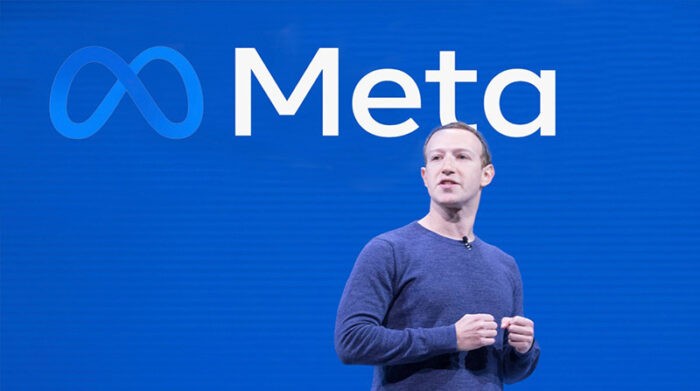
Facebook was built by a nineteen-year-old. Snapchat by students. Stripe by brothers in their early twenties. The pattern isn't universal, but it is persistent enough to be instructive.
The counterargument that these are survivorship bias stories, and that for every Zuckerberg there are thousands of twenty-year-olds who built things that failed is legitimate. Experience does matter. Domain knowledge compounds. The ability to manage people, read organisations, and navigate complexity improves with repetition.
But the question Ek is really asking isn't whether youth beats experience. It's whether the cultural assumption that you need extensive seasoning before you're allowed to try something ambitious is accurate or whether it's a form of gatekeeping that delays a lot of ideas that would have been worth attempting earlier. If young founders are waiting to accumulate the credentials that grant them permission to begin, those are years of building that won't happen.
The evidence from the Two Yale seniors building Series, from the MIT team that built Human Operator in 48 hours, from the generation of founders who have raised their first rounds before graduating, suggests the answer is increasingly clear. The next big founder could be younger than you think. They may already be building.
About
Explore Topics