>
>
Roblox Bought Its First Users for $1 a Day. What Followed Was a Billion-Dollar Creator Economy.David Baszucki and Erik Cassel launched a platform where players also made the games. The hard part was getting anyone to show up.
Roblox Bought Its First Users for $1 a Day. What Followed Was a Billion-Dollar Creator Economy.David Baszucki and Erik Cassel launched a platform where players also made the games. The hard part was getting anyone to show up.
A $100-a-day experiment gave Roblox just enough momentum to become something no one fully predicted.
Jayanth Kumar
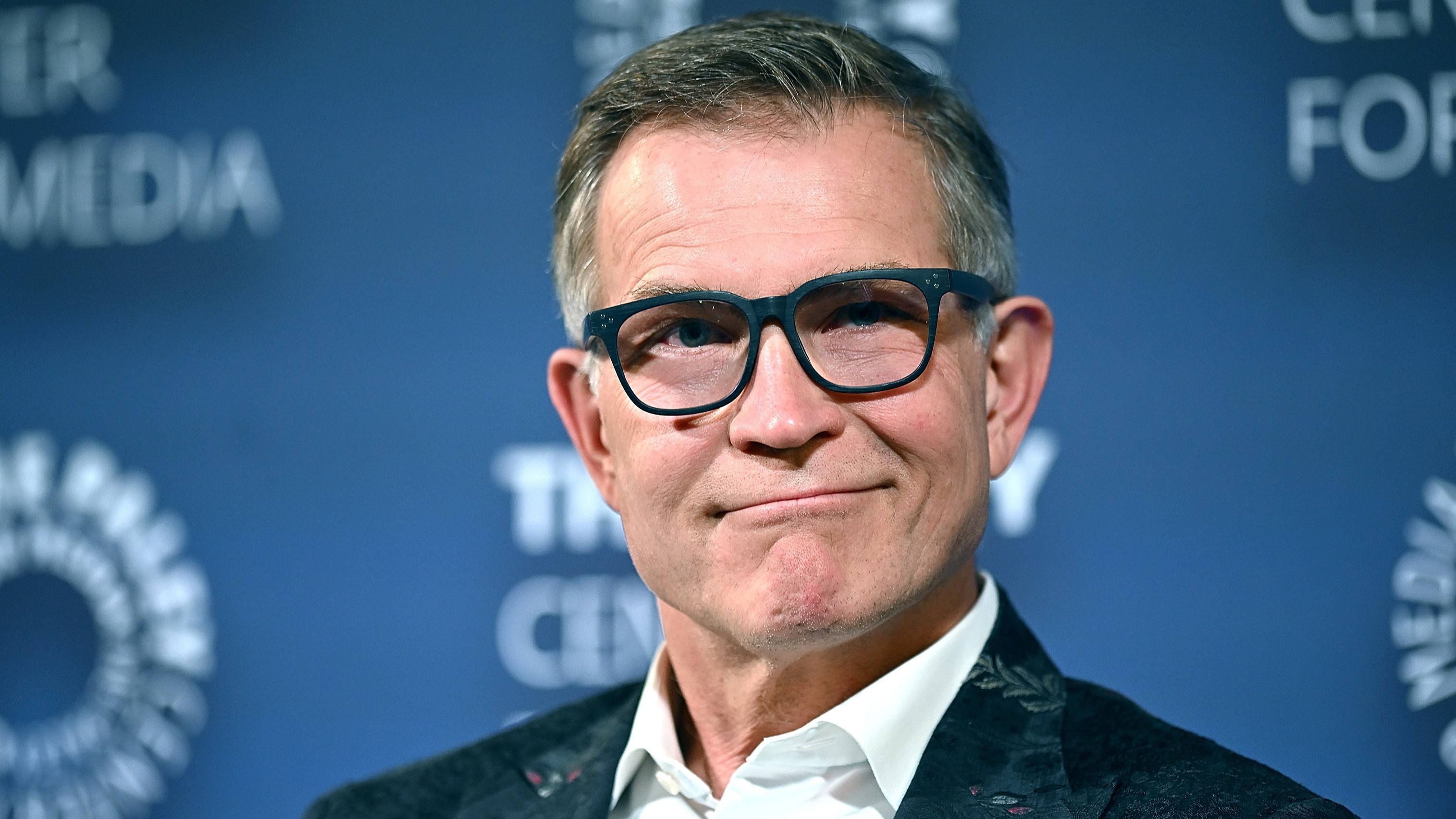
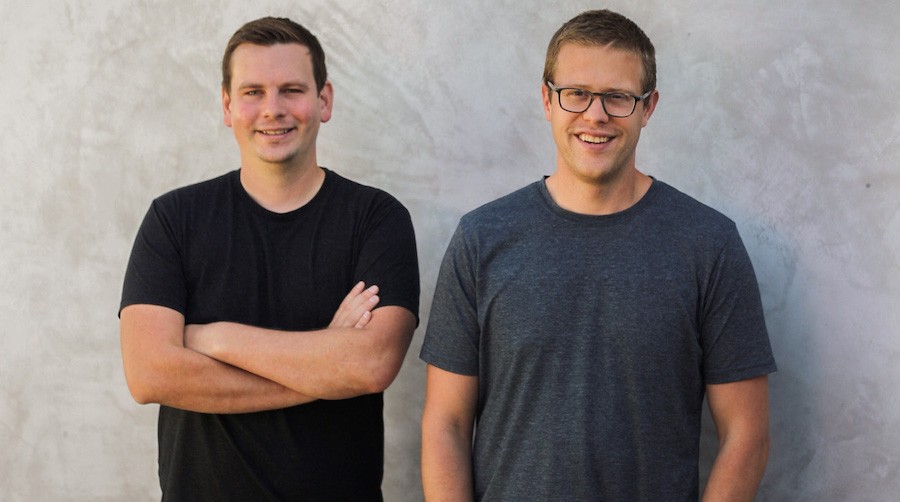
When David Baszucki and Erik Cassel founded Roblox in 2004, the idea was unusual even by Silicon Valley standards: a platform where people didn't just play games, but made them. It was an ambitious premise with a difficult built-in problem. Tools for creating games are worthless without players, and players have no reason to show up if there's nothing worth playing yet.
When Roblox opened to the public in 2006, roughly 100 people were visiting the site each day. Most were friends and family.
The solution was disarmingly simple. Baszucki recalled that a small hack was circulating among founders at the time: you could buy users from Google for about a dollar each. Roblox started running ads at around $100 a day, pulling in roughly 100 new users daily, and kept it up for several years just long enough to push past the threshold where the platform could survive on belief alone.
Those paid arrivals weren't just numbers. They provided the daily pressure that revealed what kept people coming back, what creators needed to build faster, and what the experience needed to feel less like a test and more like a place.
Over time, the compounding began to show. A small group built something worth sharing. Others returned. The platform started to feel less like a website and more like a world — social, sticky, and oddly intimate, the kind of environment where one person's creation could pull in their classmates, and their classmates could pull in theirs.
Two decades later, the scale is hard to fully absorb. In late 2025, Roblox reported 144 million daily active users. By 2025, the company had paid out $1.5 billion to creators, with the top 1,000 developers averaging around $1.3 million each and the top 10 earning roughly $39 million.
The creator economy Roblox produced has become one of its most striking features. A Bloomberg profile in early 2026 highlighted teenage creators who have built serious businesses on the platform — including Nate Colley, who grew up in a trailer park in Nova Scotia and built a fishing game called Fisch that reportedly generated around $400,000 a month by the time he was 19.
The Roblox story can look, from a distance, like an overnight phenomenon. Up close, it's a story that unfolded gradually — starting with a team spending a few dollars a day to bring in a hundred strangers, just to see what would happen.
About
Explore Topics