>
>
From Cold Email to $11 Billion: How Harvey Became the Legal AI Startup Big Law Can't Ignore
From Cold Email to $11 Billion: How Harvey Became the Legal AI Startup Big Law Can't Ignore
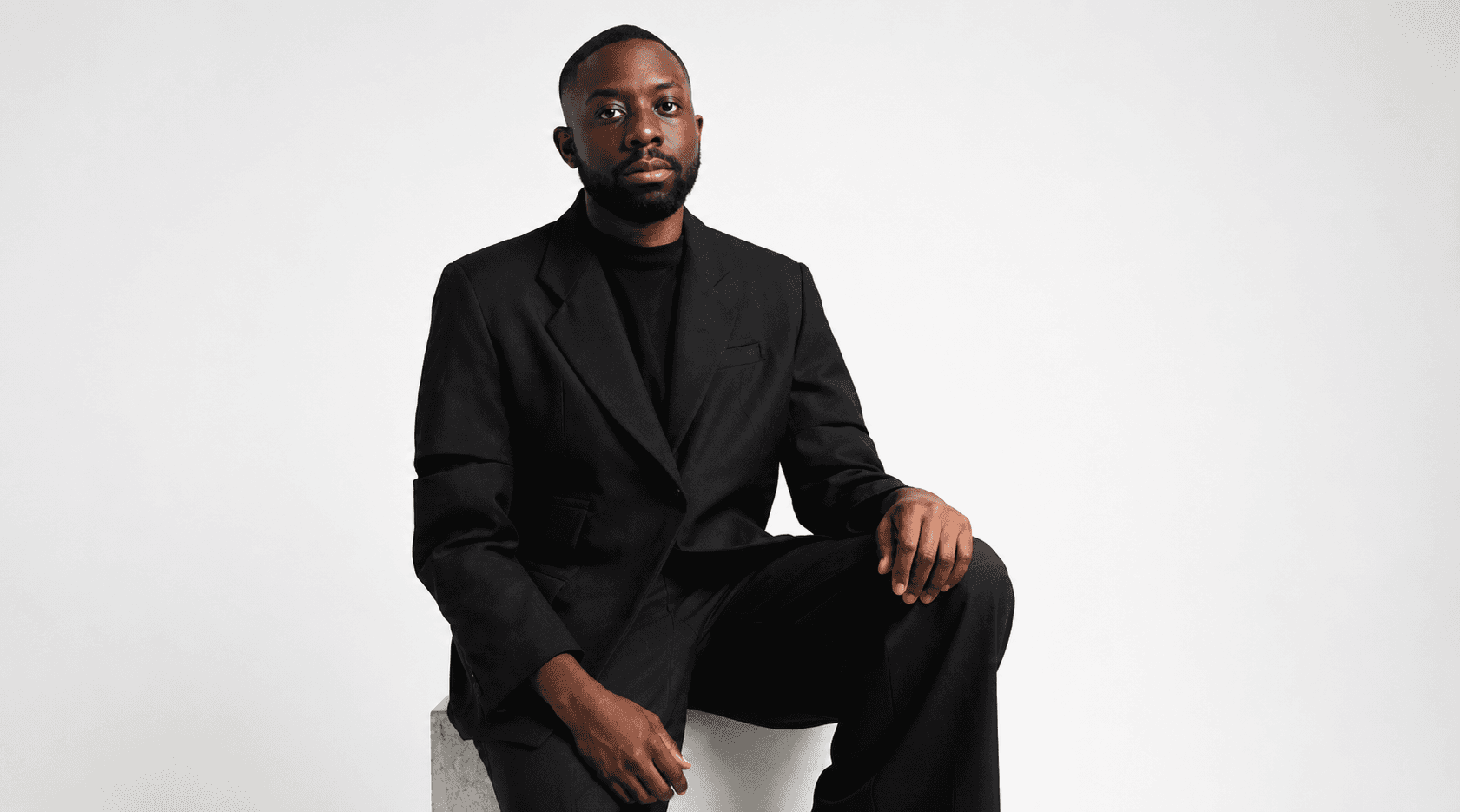
Winston Weinberg was a 27-year-old first-year associate when he noticed something wasn't working. Three years later, his startup just raised $200 million.
Jayanth Kumar

May 22, 2026
Harvey didn't begin with a grand vision for transforming the legal industry. It began with a junior lawyer doing slow, repetitive work and a roommate who happened to be an engineer at Meta.
In 2022, Winston Weinberg and Gabe Pereyra founded the San Francisco-based legal AI startup. This month, Harvey confirmed it has raised $200 million at an $11 billion valuation — a leap from the $8 billion it commanded just months ago — in a round co-led by returning investors GIC and Sequoia, with backing from a16z, Kleiner Perkins, and Elad Gil.
For a company operating in one of the most tradition-bound corners of the professional world, the trajectory is remarkable. But to understand why Harvey got here, you have to go back to where it started.
The experiment that started it all
When Weinberg was a first-year associate at O'Melveny & Myers, he was doing what junior lawyers do: plowing through legal research and drafting documents, building speed and confidence one slow task at a time. His roommate Pereyra, meanwhile, was surrounded by early conversations about large language models at Meta.
When Pereyra introduced Weinberg to GPT-3, the two started experimenting — at first casually, even playfully. Weinberg once mentioned in a TechCrunch interview that early tests included using the model to run a Dungeons & Dragons game. But the tone shifted when Weinberg started applying it to real legal questions.
To stress-test the technology properly, the two built a detailed prompt covering California landlord-tenant law and ran it against questions pulled from a real online legal advice forum. They then asked practicing attorneys to evaluate the AI's answers — without revealing their source. Around 86% of the responses were validated.
That single result reframed everything. The question was no longer whether AI could assist with legal work. It was how deeply it could be embedded into legal workflows, and what kind of product that would actually require.
A cold email that opened the door
With no foothold in the venture world, Weinberg and Pereyra did something straightforward: they sent a cold email to Sam Altman and Jason Kwon. To their surprise, it worked.
That outreach led to a call, and soon after, the OpenAI Startup Fund became Harvey's first institutional investor. The credibility of that early backing opened doors quickly. Capital followed from Sequoia, Kleiner Perkins, Andreessen Horowitz, and Google Ventures and the company never really looked back.
Building for how lawyers actually work
Rather than chasing the broadest possible market, Harvey focused narrowly on law firms designing software around how legal professionals genuinely operate. One of its most consequential early decisions was building a multiplayer architecture that enables team collaboration while maintaining strict ethical walls between clients. In an industry where confidentiality and conflicts of interest are existential risks, that choice became a defining differentiator.
The platform has since evolved well beyond research and drafting tools. Harvey now positions itself as a new kind of legal infrastructure, with a focus on AI agents capable of running complex, multi-step workflows contract drafting, document review, and more. More than 25,000 custom agents now operate on the platform, which Sequoia partner Pat Grady says is used by over 100,000 lawyers for their most critical work.
Harvey also partners with the majority of the AmLaw 100, more than 500 in-house legal teams, and 50 asset management firms across 60 countries. By August 2025, its annualized revenue had passed $100 million.
Scale brought new complexity
That kind of growth didn't come without friction. Operating across more than 60 countries meant navigating strict data privacy regulations, which required Harvey to build local computing infrastructure in places like Germany and Australia to ensure sensitive legal information never crossed national boundaries. Running large AI systems at this scale also pushed costs upward, requiring heavy investment in testing and evaluation to maintain the accuracy standards lawyers demand.
The fresh $200 million will go toward expanding Harvey's agent capabilities and growing the legal engineering teams that help firms build and deploy them.
The structural shift Weinberg is betting on
Weinberg who was once just a 27-year-old looking for a faster way to do his job now argues that what's happening in legal is not incremental. "AI isn't just assisting lawyers," he said in Harvey's latest fundraising announcement. "It's becoming the system through which legal work gets done."
For founders, Harvey's story carries a quieter lesson too. When the company was just an idea, Weinberg wasn't an industry veteran with decades of perspective. He was a junior associate, close enough to the friction of daily legal work to feel exactly where it broke down in the slow research, the repetitive drafting, the tools that never quite fit the job.
His earliest inflection point didn't come from a warm introduction or a perfectly timed pitch. It came from a cold email sent without much certainty it would ever be read.
Sometimes, that's enough.
About

Featured Posts



Explore Topics