>
>
How a Brewery Kid Who Couldn't Drink Beer Convinced a Shark Tank Investor to Back Her Zero-Sugar Brand
How a Brewery Kid Who Couldn't Drink Beer Convinced a Shark Tank Investor to Back Her Zero-Sugar Brand
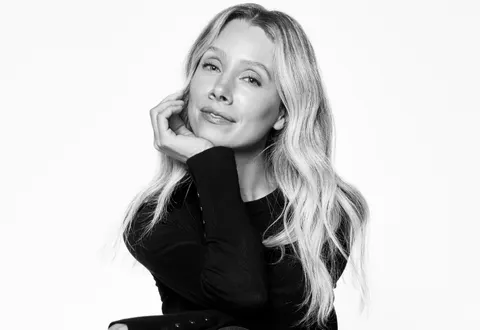
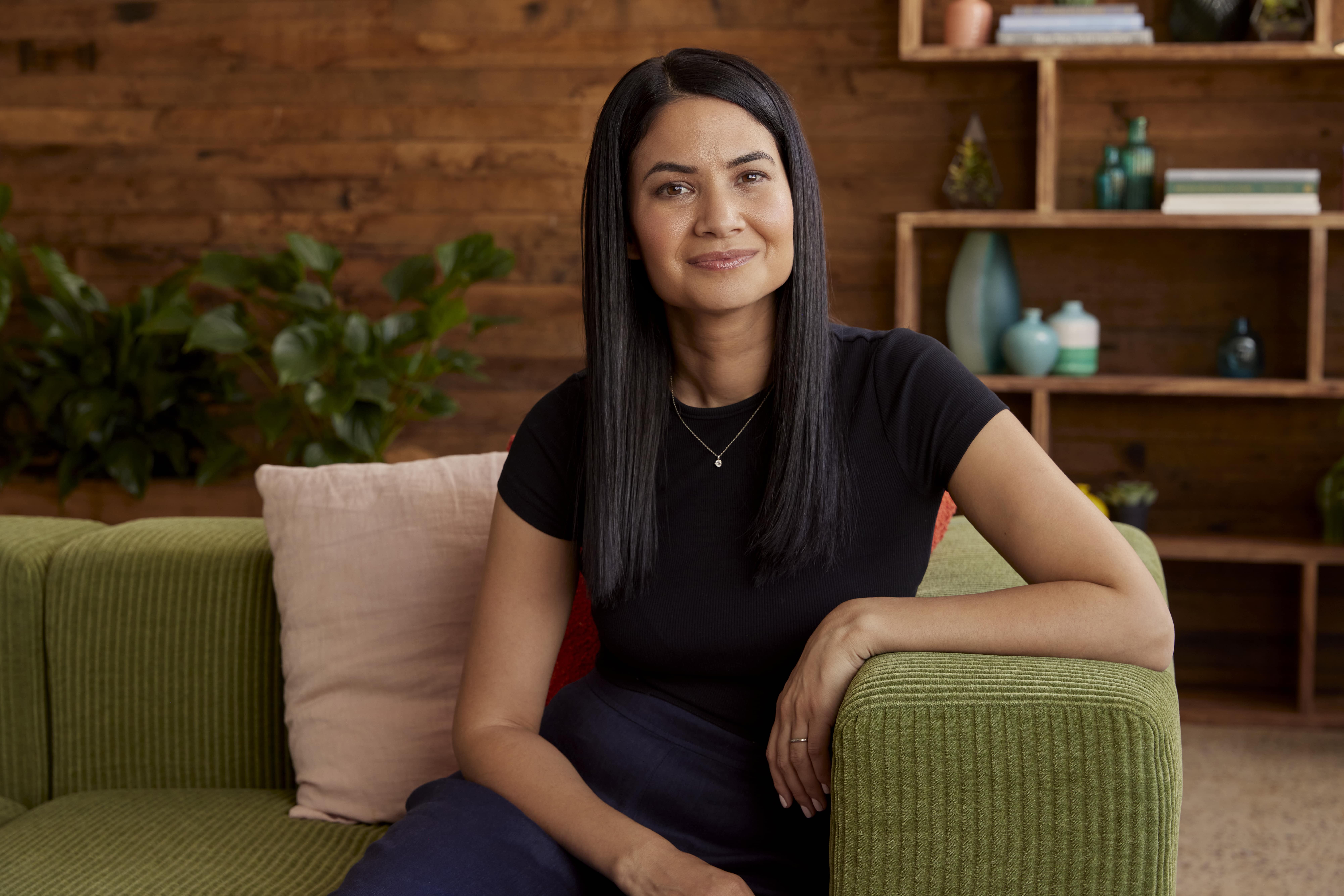
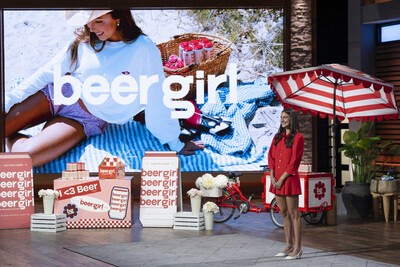
Caroline Foulk grew up inside a brewery but couldn't drink a drop. That contradiction became the founding insight behind Beer Girl — a zero-sugar, alcohol-free beer brand she took to Shark Tank and won backing for, arriving at the leading edge of one of the fastest-growing shifts in the drinks industry.
Jayanth Kumar
There is a specific kind of founder advantage that doesn't show up in business school case studies: the insider who is simultaneously an outsider. Someone with total immersion in a world they can't fully participate in, who therefore understands both the culture and the gap more clearly than anyone else.
Caroline Foulk had that advantage from childhood.
She grew up in a brewing family. Beer was the backdrop of her formative years the smell of it, the culture around it, the pride her family took in making it well. There was one problem: a health condition meant she couldn't drink alcohol. Every social occasion built around a pint, every moment when the world expected you to raise a glass, was a small reminder that the world her family had built wasn't quite built for her.
That frustration, accumulated over years, became a business question: why wasn't there a zero-sugar, alcohol-free beer that actually tasted like it was made by someone who cared about beer? Not a compromise product, not a health food store curiosity, but something brewed with the same attention to flavour and craft that defined the best of what her family made?
Beer Girl was the answer.
Taking the brand to Shark Tank was a calculated risk. The show's investor panel has historically been sceptical of niche beverage plays, and the pitch had an inherent paradox at its centre: here was someone arguing for the authenticity and credibility of a beer brand who had never, by her own acknowledgement, drunk a beer. Foulk leaned into it rather than around it. The story of the brewery kid who couldn't drink was not a liability it was the most compelling possible explanation for why this product existed, and why it was made with more conviction than anything a traditional beer company would produce.
She got the deal.
The category Beer Girl occupies is no longer niche. The low- and no-alcohol segment has grown substantially across the US, UK, and European markets as a cultural shift sometimes called "sober curiosity" has moved younger consumers away from alcohol as a default component of social life. Brands like Athletic Brewing in the US and Heineken 0.0 globally have demonstrated that there is genuine, scalable consumer demand for alcohol-free options that don't feel like consolation prizes.
Beer Girl arrived ahead of the mainstream, built by someone who needed the product before the market caught up to wanting it. That timing plus the founder story that no competitor can replicate is a durable advantage.
About

Explore Topics