Reed Hastings to Step Down From Netflix Board
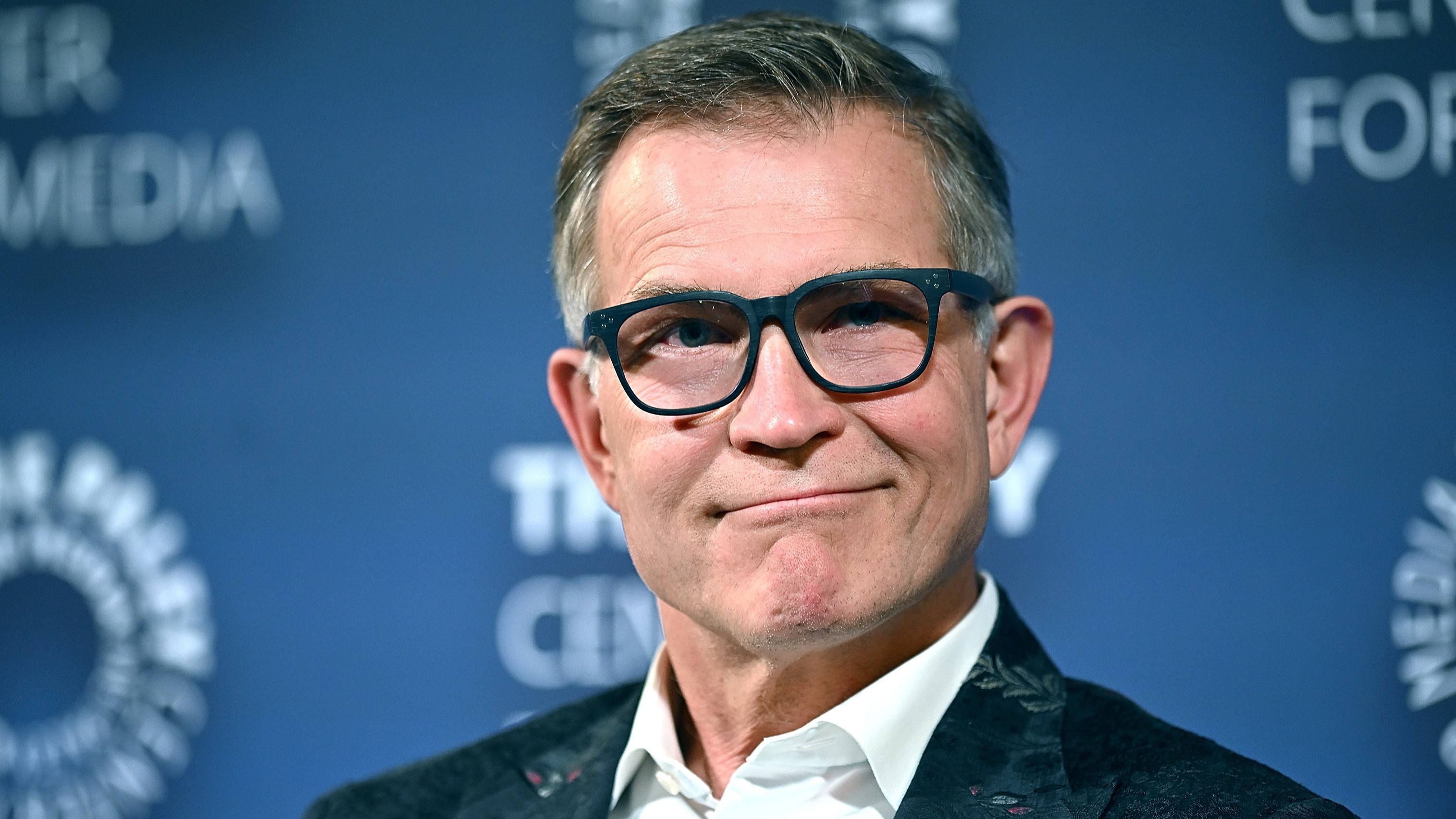
Reed Hastings co-founded Netflix in 1997 as a DVD-by-mail service, reinvented it twice, and spent 29 years building one of the most influential entertainment companies in history. Now 65, he is leaving the board to focus on philanthropy and the news spooked investors enough to knock 10% off the stock price overnight.
Jayanth Kumar
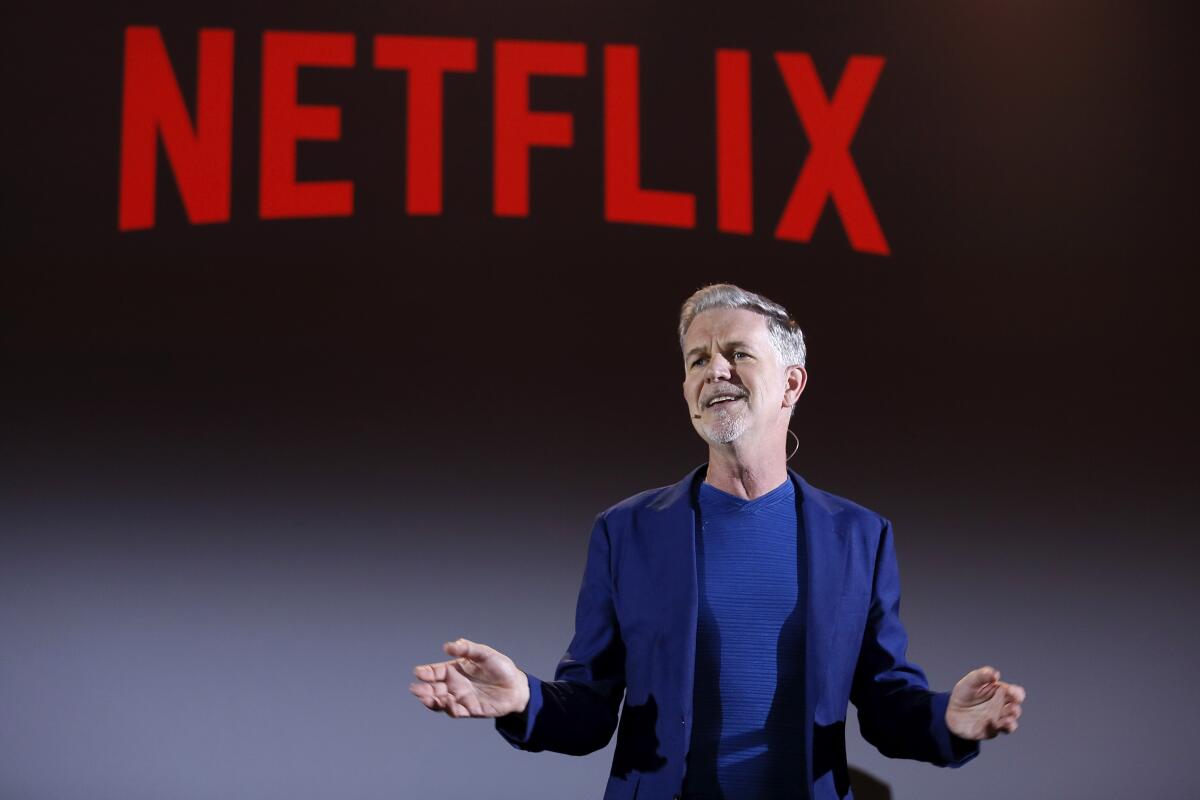
Reed Hastings didn't just build Netflix. He rebuilt it twice at moments when most observers thought the next version was a mistake.
The first reinvention came in the mid-2000s, when Hastings pivoted the company from DVD-by-mail to streaming before broadband penetration made streaming the obvious choice. The move was controversial internally and externally, and included a stumbled execution the ill-fated Qwikster rebrand in 2011 that Hastings has since cited as one of his most public missteps. He reversed course, learned from it, and kept going.
The second reinvention was bigger. When Netflix began investing in original content — starting with House of Cards in 2013 it was not obvious that a technology company had any business making television. Hollywood was dismissive. The traditional networks and studios assumed that access to content was a permanent structural advantage. Hastings, betting that content was something you could buy, build, and eventually dominate, spent billions proving them wrong. Today Netflix's content budget is larger than most of Hollywood's major studios combined.
Now, after 29 years, Hastings is stepping back entirely. Netflix announced in its first-quarter 2026 earnings report that Hastings, 65, will not stand for re-election to the board when his current term expires at the company's annual meeting in June. He had already stepped down as co-CEO in 2023, handing day-to-day leadership to Ted Sarandos and Greg Peters two executives he had mentored and empowered over many years. His final role was executive chairman. Now that too is ending.
Hastings said in a statement that his most treasured memory from nearly three decades at the company was January 2016 the month Netflix launched in nearly every country on Earth simultaneously, enabling, in his words, "nearly the entire planet to enjoy our service." The ambition contained in that single sentence is a useful summary of what drove him.
The market's initial reaction was instructive. Netflix's stock fell approximately 10% in after-hours trading following the announcement, with LightShed Partners analyst Rich Greenfield noting the departure was "spooking investors." Founder departures have a way of doing that, even when especially when the transition has been carefully managed over years. The concern isn't that Netflix is suddenly a worse business. It's that the person most identified with its culture, its risk appetite, and its long-term vision is no longer in any formal oversight role.
What Hastings leaves behind is layered. There is the company itself a global streaming giant with hundreds of millions of subscribers, a production infrastructure spanning dozens of countries, and a brand that has fundamentally rewired how the world watches television and film. There is the Netflix Culture Deck, the management document Hastings co-authored that has been called one of the most influential pieces of business writing to emerge from Silicon Valley, reshaping how a generation of companies thinks about talent, freedom, and accountability. And there is a track record, built over three decades, of being right about where things were going before the rest of the industry understood the question.
The board seat is a small thing. The legacy is not.
About
Explore Topics